 Pick an idea with Fox
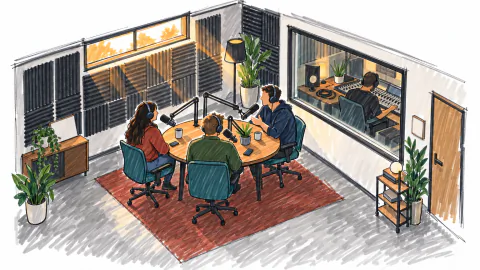
Podcasting
how to start a podcast- founder searches a month
- 18,170
- players in search
- 38
- verbatim customer complaints
- 25
- ideas checked
- 4
- best check score
- 63 / 100
page out15 October 2026


Without an account the checks are kept for 7 days — save them to an account. Save
3 more free checks without an account
Find an idea
Collections
Check and develop
 No idea yet? We will find oneFour questions — budget, place, skills, time — and Fox suggests eight ideas, each with its market.Find an idea


Pick an idea that fits your money and your skills, then check it on live data before you spend anything: demand, competitors, prices and customer complaints.

Choose an idea that suits your money and what you can do. Then test the demand and the numbers on live data before the first dollar goes in. Each card below is marked with its status.
Answer the finder's 4 questions about budget, place, skills and time. It keeps the ideas that fit you and names the market of each.
Short on starting money? The low-investment collection gathers ideas you can launch on a small budget.
A market page will show the search demand, the players, the start-up costs with links and what customers complain about.
In the unit economics calculator, enter your price, margin and the cost of winning a customer. You see when one customer pays off.
Describe it in the check on the home page. It gets a score out of 100 on nine axes, and every number has a source.
The collections founders search for most, most searched first.
Every niche in a category becomes a market page that shows how to start and what it costs.
How to start, what the start costs, who already works there and what customers complain about. Every figure links its source, on each market page.
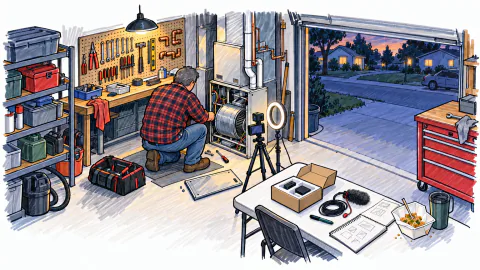



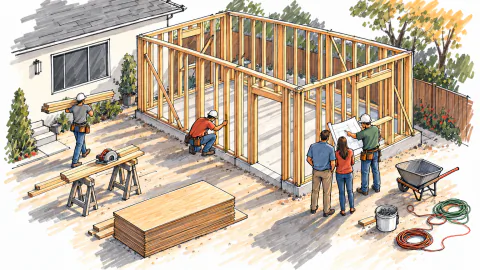
These are the market pages we are building for the US. Each one is marked soon until its page is out with demand, players, start-up costs and checked ideas.
Coffee shops, bakeries, food trucks, bars and franchise counters: who buys, what the start costs and which ideas held up.
Jobs people pay to have done at home: cleaning, repairs, photos.
Small studios that live on regulars. Most new clients come from online booking.
Selling on Amazon, Etsy, eBay or your own site, and handing over the orders people buy online.
Owners pay for time they do not have: walks, grooming, a place to stay.
Places to stay and things to do, with a season that sets the year.
Shops on a street or in a mall: what people buy nearby and what decides whether a store pays its rent.
Channels, blogs, apps and websites that earn from an audience or a subscription.
Work other companies pay for: security, IT, legal help, hauling and delivery routes.
Dealers, gas stations and tire shops: the margins and what local buyers search for.
Building, repairs, heating and cooling, and hauling junk away.
Daycare at home or in a center: the licenses, the waitlists and what parents ask about.
Bees, dairy and small farms: the land, the seasons and who buys the harvest.
Banks, investment firms, ATM routes and buying a franchise: the licenses and the money it takes to start.

In a minute Fox looks at demand and competitors on live data, then works out the money. Every figure has a source. 3 free checks without signing up
We look at three things: do people search for it, how many players are there already, and do the numbers of one customer add up.
From an idea to the first customers: what to check before you invest.
GuideSeven steps that show whether an idea has enough buyers.
It depends on the market, and this page avoids a single figure for that reason. Each market page lists start costs from open sources with links, and each checked idea includes unit economics. Put your own quotes into the unit economics calculator to see how many months it takes to cover the start costs.
They are the result of an idea check scored out of 100. «Worth doing» means the check supports starting the idea as described. «With caveats» means the check found risks you need to read and solve before you spend money. Open a checked idea on this page to see both its score and the reasons behind it.
Not necessarily, because each check is tied to one city and one customer group. Demand, rents and competitors change from place to place. Use the market size calculator for your area, then run your own version of the idea through a check.
One with demand where you live and few strong players, where a customer pays back what it cost to win them. Start with the idea finder, then check the best idea for free.
No single answer holds. The profit depends on the average order and the margin, and on what a customer costs in your place. Work it out in the unit economics calculator: a page here never promises an income.
Demand comes from search data, and competitors from the search results. Complaints are quoted from reviews word for word. With no source, a page says there is no data.
Such lists cite no source. Here every idea is tied to a market, and you can check any of them on live data in a minute.
Look at the search demand and the competitors first. Then talk to a few future buyers and try to collect pre-orders. The free check does the first part for you in about a minute.

How we made this page. The page maps the market pages we are building: a card with a link is out, the rest are planned. A market page will hold the search demand and the players, the start-up costs from open sources with links, and the ideas checked in its niche next to what customers complain about. We check each idea on live data: demand, competitors, complaints, prices and unit economics add up to nine axes and a score out of 100, and every figure names its source.