


Small business accounting
Small business accounting is the record of every dollar that comes in and goes out of your business, kept so you can pay taxes and people on time and see whether you make money. Start by separating your money, then pick a method, set up a system you will keep and read the numbers every month.
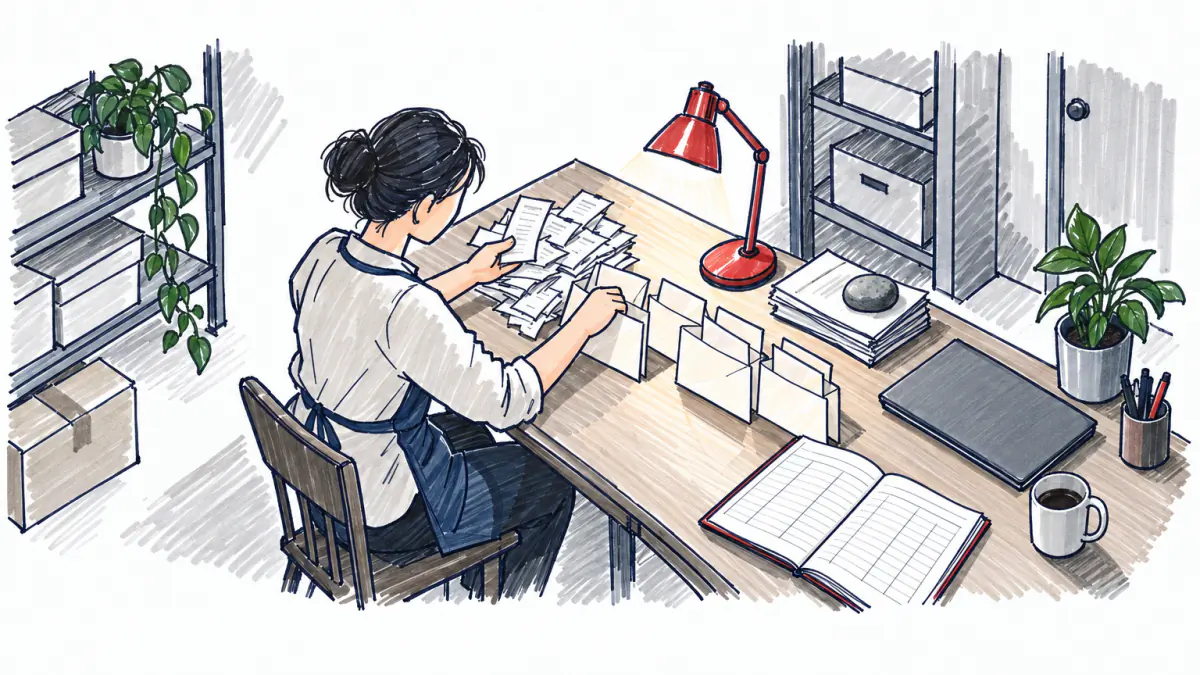
Where to start with your books
Open a business bank account
Run every sale and every business expense through one account in the business's name. Mixed personal and business spending is the first thing that slows down bookkeeping and tax filing.
Choose cash or accrual
Cash accounting records income when the money arrives; accrual records it when you earn it. The guide on cash vs. accrual shows which one fits how you bill your customers.
Set up a chart of accounts and a routine
Name the categories your income and costs fall into, then record transactions every week and keep the receipt with each expense. The guides on bookkeeping basics, the chart of accounts and expense tracking walk through the setup.
Read your profit and cash every month
A profit and loss statement tells you whether the business earns money, and a cash flow forecast tells you whether you can pay next month's bills. Review both before you change prices or take on a new cost.
Check your margin on each sale
Enter your real prices and costs in the unit economics calculator to see what each sale leaves you. Compare the result with the numbers from your idea check and adjust your pricing if the gap is wide.
 Ask Fox
Guides by topic
A guide with a link is written and checked by the editor; one marked «soon» is being written.
Guides
- Pricing strategy for a small businessChoose how to set your prices so they cover your costs and still make sense to the buyers you want.
- Cash flow forecastWhen money comes in and goes out each month, so you spot a cash gap before it hits.
- Profit and loss statementLearn to read and build a profit and loss statement that shows whether your business actually earns money.soon
- Cash vs. Accrual Accounting: Which Method Fits Your Small BusinessHow cash and accrual accounting differ and pick the method that matches how your business earns and spends.soon
- How to Open a Business Bank Account and Separate Your FinancesWhy you should keep business money apart from personal money and how to open a dedicated business account.soon
- How to Set Up a Chart of Accounts for a Small BusinessBuild a simple chart of accounts so every sale and expense you record lands in the right category.soon
- Small Business Bookkeeping Basics: Set Up a System You Will KeepSet up a bookkeeping system that records your transactions, keeps receipts organized, and stays easy to maintain.soon
- How to Track Business Expenses and Keep Your Receipts in OrderWhich expenses you need to track, how to categorize them, and how to store receipts without stress.soon
- How to Reconcile Your Bank Statements Step by StepMatch your books to your bank statements regularly so you catch errors, missing entries, and surprises early.soon
- Accounts Payable vs. Accounts Receivable: How to Manage BothWhat you owe and what you are owed, and keep bills and customer payments on schedule.soon
- How to Invoice Customers and Choose How You Get PaidChoose the payment methods your customers prefer and send clear invoices that get you paid on time.soon
- How to Read and Build a Balance Sheet for Your Small BusinessWhat your business owns and owes at a glance and learn how assets, liabilities, and equity fit together.soon
- Your Monthly Financial Review: The Reports to Check and What They Tell YouSet a monthly routine to review your key reports so you spot trends and act before problems grow.soon
- How to Choose Accounting Software for Your Small BusinessCompare what accounting software does, what it costs, and which features you need before you commit to one.soon
- Bookkeeper vs. Accountant vs. Doing It Yourself: Who Should Keep Your BooksDecide when you can keep the books yourself and when paying a bookkeeper or an accountant is worth it.soon
- Common Small Business Accounting Mistakes and How to Fix ThemAvoid the bookkeeping errors that cost owners time and money, and learn how to correct them if they happen.soon
The topic's terms and templates
One library for the whole site: the terms live in the Glossary, the files in Templates.
Templates
What does the step for you
The Lab's tools and Go to market on the section's topic.
Go to market: business plan
- Business plan — a PDF plan with the finances and the risks, for a bank or an investor.
The concept comes first. Go to market is built on the concept of a checked idea: first the check and the concept, then Go to market.
Questions
Do I need an accountant or a bookkeeper?
A bookkeeper records your transactions and keeps the books current; an accountant reads those books, prepares tax returns and advises on structure and taxes. Choose a bookkeeper, or accounting software and a regular weekly session of your own, while your transactions are few and simple. Bring in an accountant (a CPA or an enrolled agent) when you hire staff, collect sales tax in more than one state or consider a loan or an investor.
Can I do small business accounting myself?
You can if you record every transaction, keep every receipt and reconcile your books with your bank statement each month. Accounting software connected to your business account cuts most of the manual entry, and the Guides group on this page covers bookkeeping basics and expense tracking. Have an accountant review your first year-end books and tax return, since mistakes there carry into the following years.
When do I need to set up payroll?
Set it up before you pay your first employee. You need an employer identification number from the IRS and a registration with your state for withholding and unemployment tax; then you withhold income tax, Social Security and Medicare from each paycheck and deposit them on the IRS schedule. Independent contractors are paid without withholding, so collect each one's taxpayer ID before the first payment for your year-end reporting.
Which method should I use, cash or accrual?
Choose cash if most customers pay you at the time of sale and you want simple books: you record income when it arrives and expenses when you pay them. Choose accrual if you invoice on payment terms or plan to borrow or raise money, since it matches revenue with the costs of earning it. The IRS limits who may use the cash method by average gross receipts and business type, so confirm the current limit with your accountant before your first return.
What records should a small business keep for taxes?
Keep the records behind every figure on your return: invoices and sales receipts, bank and card statements, receipts for expenses, payroll records and the papers for any equipment or property you buy. The IRS guide on starting a business and keeping records lists how long each kind must be kept. A scan of each receipt, stored with the transaction in your software, is enough for most expenses.
Does a sole proprietor need a separate business bank account?
Federal law lets a sole proprietor working under their own name use a personal account. A separate account keeps your records clean and backs up every deduction if the IRS asks, so open one before your first sale. Banks usually ask for your ID, your employer identification number or Social Security number and, if you use a trade name, your assumed name filing. An LLC or a corporation also brings its formation documents.

How we made this page. The list is our map of pages on money and accounting: a page with a link is built and checked by an editor, and the others are planned, as each card shows. A market page holds the demand from search data, the players, the start costs from open sources with links, the customers' complaints and the ideas checked in the niche. An idea check is a real check of an idea on live data for demand, competitors, complaints, prices and unit economics on nine axes, with a score out of 100 and a source for every figure. Prepared on 21 October 2026.
Kirill Smolin, editor
It all starts with a check
Check an idea for free, get a concept and go to market — and the project gets its map.